Experience local life
Cultural tourism

Cultural tourism is a rapidly growing segment within the global travel industry, catering to individuals seeking to immerse themselves in local populations’ customs, traditions, and lifestyles. It combines the elements of leisure with an authentic experience of a destination’s unique historical, architectural, artistic, and culinary aspects. As a result, this form of tourism allows travellers to gain a deeper.
With the increasing focus on sustainability and responsible tourism practices, cultural tourism sets itself apart by emphasizing the importance of engaging with local communities, adhering to ethical standards and minimizing negative impacts on the environment. As such, it presents a viable option for tourists who wish to expand their horizons while also contributing positively to the places they visit.
Cultural tourism in India is a journey through over 5,000 years of history. It accounts for approximately 40% of all tourist arrivals, with recent trends showing that over 80% of domestic travellers plan trips specifically around cultural offerings.
Core Pillars of Cultural Tourism:
- Festivals & Events: Major celebrations like Diwali, Holi, and the Kumbh Mela draw millions. Regional highlights include the Hornbill Festival in Nagaland, Thrissur Pooram in Kerala, and the Rann Utsav in Gujarat.
- Spiritual Journeys: Sacred cities such as Varanasi (Ganges rituals), Amritsar (Golden Temple), and Bodh Gaya (Buddhist enlightenment site) are central to the Indian cultural experience.
Key Cultural Tourism Destinations & Experiences:
Spirituality & Religion: Varanasi (Ganga Aarti), Rishikesh (Yoga), and temple towns in Tamil Nadu.
Historical & Archaeological Sites: The Taj Mahal (Uttar Pradesh), Ajanta & Ellora caves (Maharashtra), Hampi (Karnataka), Orchha Fort (Madhya Pradesh), and Mahabalipuram temples.
VISHU IN KERALA
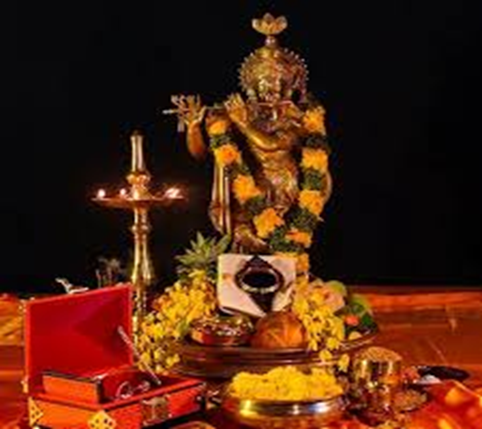
Vishu is the auspicious Malayali New Year festival in Kerala, celebrated on the first day of the Medam month (typically April 14 or 15) to mark the sun’s transition into Aries and the spring equinox. It signifies new beginnings, prosperity, and harvest, featuring the sacred Vishu Kani viewing, traditional Sadya feast, and Vishukkaineettam.
Vishu Kani: The most important ritual involves waking up before dawn to view an arrangement of auspicious items—yellow Konnappoo (Cassia fistula), rice, golden cucumber, coconut, fruits, mirrors, and coins—beside a lit lamp, often in the family prayer room.Significance: It marks the start of the agricultural cycle, the vernal
DURGA PUJA IN WEST BENGAL
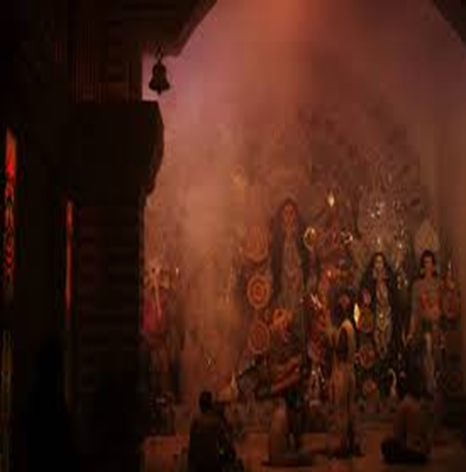
West Bengal’s Durga Puja (Sept/Oct) is a UNESCO-recognized, 10-day cultural festival (officially 5 days) celebrating Goddess Durga’s victory over evil. It is a massive public art, light, and music exhibition featuring thousands of creative themed pandals (temporary shrines). Key experiences include pandal hopping, dhak drumming, traditional Bongedi Bari (ancestral home) pujas, and the final Dashami immersion procession.
In West Bengal, the preparations for the Durga Puja begin months in advance, with construction of elaborate and unique pandals and creation of beautiful idols of the Goddess Durga. These pandals are known for their elaborate decorations, innovative themes and stunning lighting arrangements. The theme of the pandals can vary widely from mythological and religious to social and environmental issues.
ANCIENT TEMPLES AND SPIRITULA GHAT OF VARANASI, INDIA
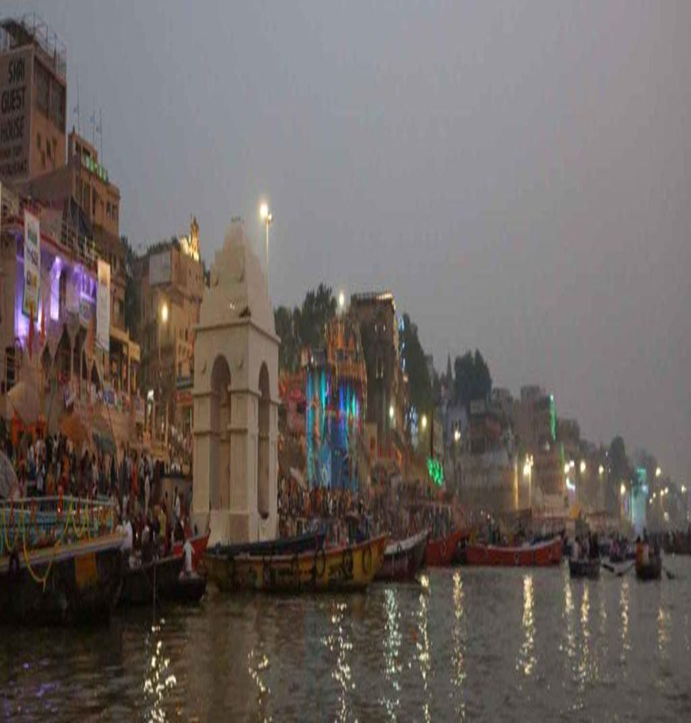
Varanasi, one of the world’s oldest living cities, features 84–88 riverfront Ghats along the Ganges, known for their unique architectural interface of stone steps, temples, and palaces built by Hindu rulers. Key ancient sites include the Kashi Vishwanath Temple, the cremation site Manikarnika Ghat, the Rajput-style Man Mandir Ghat, and the evening ceremony venue Dashashwamedh Ghat.
Varanasi is a place where the rich ethnic history of our country meets the powerful supremacy of positive spiritual energy. The ghats of Varanasi are not mere steps that lead to a river. These are the places where several devotees offer their prayers to the Almighty and several more come to share their stories with whoever is listening from above. This is the holy place where we thank Mother Nature for being generous to us while others find solace in the rhythmic rush of the mighty river.
If you are planning to visit the ghats of Varanasi soon, book your affordable stays at Hotels in Varanasi, relax for a while and head to the 9 most alluring ghats in the city.
ARCHITECTURAL VIBRANT MARKETS OF MARRAKECH, MOROCCO
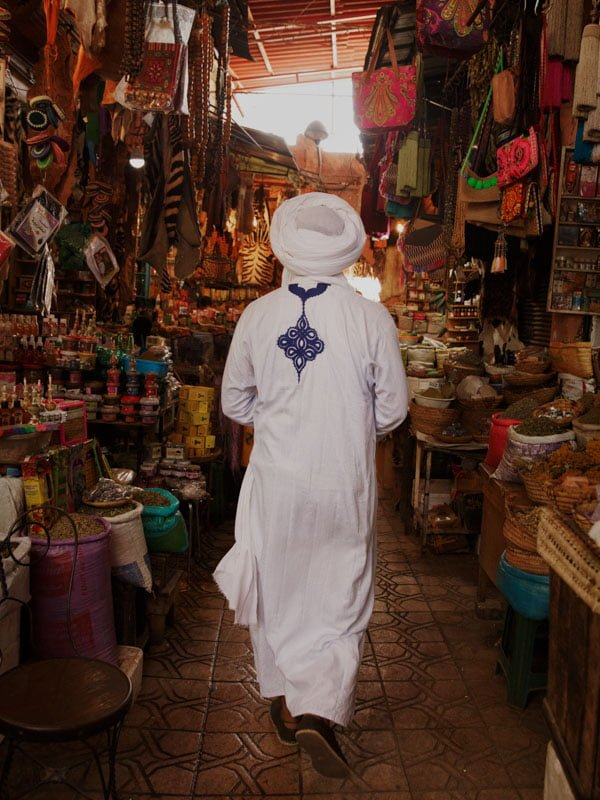
Marrakech, Morocco, features a stunning blend of ancient Moorish architecture and vibrant, bustling souks (markets). Key highlights include the UNESCO-listed Medina’s labyrinthine alleys, the iconic Koutoubia Mosque, and intricate, tiled Riads. Souk Semmarine and Place des Épices are highlights, offering colorful spices, textiles, and tradition.
Marrakech: the Red City of markets. The word “souk” (also spelt souq) simply means marketplace, and in Marrakech, the souks are the beating heart of the old city. Wandering these markets can feel as if you’ve stepped back in time: artisans hammer away at copper lanterns, the air is perfumed with spices and cedar wood, and shopkeepers beckon you to examine their wares. It’s chaotic and captivating in equal measure. First-time visitors might find the experience overwhelming at first – the alleys are narrow and teeming, and it’s easy to get lost – but don’t worry. Getting a little lost is part of the fun, and with our tips you’ll soon navigate with confidence. Remember that everyone does get turned around in the souks at some point; even if you exit by a different route than you entered, you’re never far from a recognisable landmark. The main entrance to the souk is near the Jemaa el-Fna square, which is a handy reference point. In fact, most of the Marrakech souks sprawl north of Jemaa el-Fna, branching out in a winding labyrinth from this famous central square. You’ll find myriad treasures here – and perhaps a new appreciation for Moroccan culture – as you explore.
GOLDEN TEMPLE, AMRITSAR
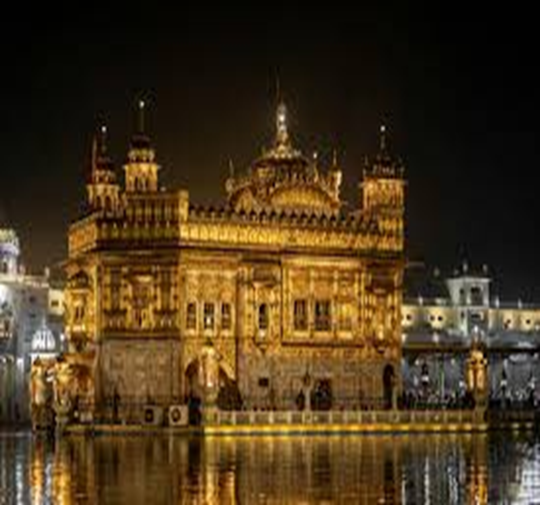
The Golden Temple (Sri Harmandir Sahib) in Amritsar is a premier cultural tourism destination, attracting millions annually with its stunning architecture, gold-plated dome, and spiritual, inclusive atmosphere. Key experiences include the 24/7 Langar (free community meal), the Amrit Sarovar (holy pool), and daily prayers, embodying equality and community service.
Architecture: A blend of Mughal and Indian styles, with upper floors covered in gold.
Langar (Free Kitchen): Operates 24/7, serving over 100,000 visitors of all faiths daily, representing the essence of seva (selfless service).
Amrit Sarovar: A sacred water body surrounding the main temple, offering a peaceful atmosphere for visitors.
Wagah Border: Nearby attraction famous for the daily border-closing ceremony.
Visitor Guidelines & Tips
Accessibility: Located conveniently in Amritsar, with tours often combined with other historical spots in Punjab, according to Responsible Travel.
Etiquette: Visitors must cover their heads and remove shoes.
Entry: Free access to the complex.
Best Time: Open 24/7, but best experienced at night for illumination or early morning, says Sikh Tours.
VELANKANNI, NAGAPATTINAM
Velankanni is a special grade town panchayat in Nagapattinam district in the Indian state of Tamil Nadu. It lies on the Coromandel Coast of the Bay of Bengal, 350 km south of Chennai, 12 km south of Nagapattinam, and 33 km southeast of Thiruvarur. A canal built to link this town with Vedaranyam still lies to the west.
A canal built to link this town with Vedaranyam still lies to the west. The Vellayar, a minor branch of the Cauvery River, runs south of the town and discharges into the sea. The town was among the worst hit by the tsunami caused by the 2004 Indian Ocean earthquake.
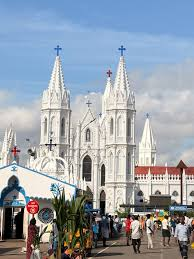
The town is home to one of the most visited Latin Catholic shrines called the Basilica of Our Lady of Good Health.
Velankanni has been chosen as one of the heritage cities for the Heritage City Development and Augmentation Yojana (HRIDAY) scheme of the Government of India.
Canteen:
The Shrine canteen caters to the needs of all standards of people mainly at the reach of the poor & helpless, with both veg and non-veg food, at moderate prices aiming at no-profit and no-loss motto to serve the pilgrims. It functions every day from 6.00 a.m. to 10.00 p.m.
Highlighting The Potential Of Culture And Heritage Tourism Southern And East African Tourism
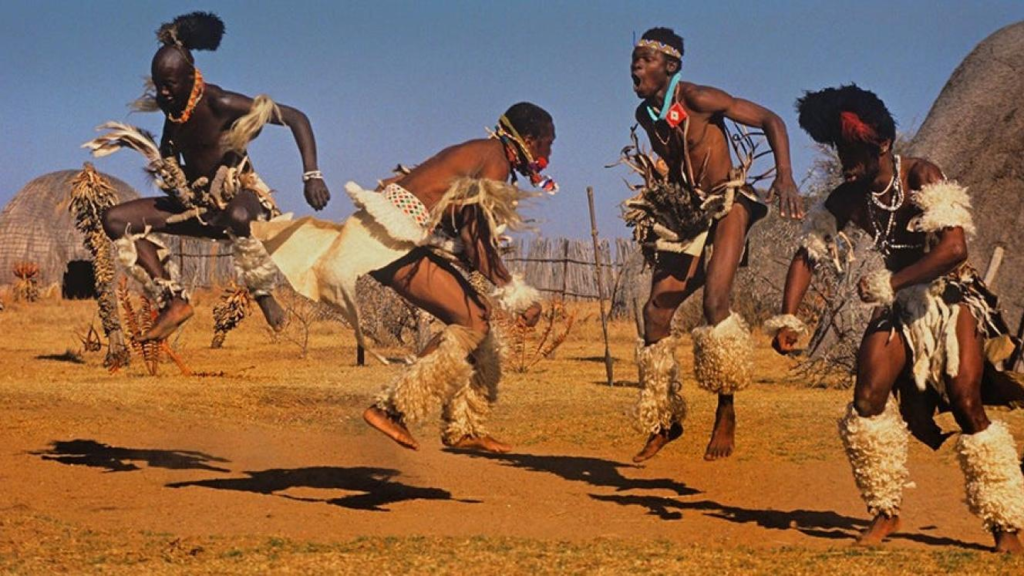
Culture and heritage tourism in Southern and East Africa is a booming, sustainable sector that drives economic growth, creates jobs, and empowers communities by showcasing indigenous knowledge, traditions, and historic sites. The industry is shifting toward community-based models (COBACHREM) and digital storytelling to enhance visitor experiences and diversify away from solely nature-based tourism.
Key Potential and Trends in Southern/East Africa
- Economic Impact: Ten southern African festivals generated over $11 million and 3,000 jobs in 2024, demonstrating significant economic impact.
- Unique Offerings: The region is leveraging both tangible heritage (historic sites,, arts) and intangible culture (dances, music, traditions) to create unique, authentic tourist experiences.
- Community Empowerment: In Tanzania and Kenya, cultural sites like Kondoa Rock Art and Maasai Mara, along with community-led tourism, provide livelihoods and empower local women by transforming heritage into economic assets.
“Études has saved us thousands of hours of work and has unlocked insights we never thought possible.”
Annie Steiner
CEO, Greenprint
Watch, Read, Listen
Join 900+ subscribers
Stay in the loop with everything you need to know.